

01
Start with a clear purpose
Money without a purpose is easy to spend. A clear purpose gives direction to your financial decisions and helps you stay consistent, even when markets are volatile or expenses tempt you to go off track.
When you know what you’re working towards, it becomes easier to say no to what doesn’t matter.

My goals
- Buy a home
- Child’s education
- Financial freedom
- Travel the world
02
Spend mindfully
You don’t have to cut out all the things you enjoy. Mindful spending means being intentional about where your money goes — prioritising what adds value and avoiding unnecessary expenses.
It’s not about spending less. It’s about spending better.

03
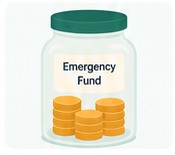
Build an emergency fund
Life is unpredictable. An emergency fund helps you handle unexpected situations like medical expenses, job loss or urgent home repairs without derailing your long-term plans.
Aim to keep 3–6 months of essential expenses in an easily accessible and low-risk account.
- Medical emergency
- Job loss
- Home repairs
- Unexpected expenses
04
Invest consistently
Consistency beats timing, largely because timing is a skill almost nobody has reliably. Investing on a schedule takes the decision out of your hands at exactly the moments you are least likely to decide well — when everything is falling, or when everything is going up and it feels obvious.
A disciplined approach today can create significant wealth over time.

05
Review and stay on track
Your financial journey is not a set-and-forget exercise. Review your goals, investments and spending at least once a year, or when there is a major life change.
A quick review helps you make sure you’re still on track and make adjustments if needed.

- Review goals
- Check investments
- Track progress
- Make adjustments
06
How these habits work together
Each habit plays a different role, but together they create a foundation for long-term wealth.
07
A simple example
Here’s how these habits can work together for a young professional earning ₹50,000 per month.
An illustrative budget, not a recommendation. The right split depends on your income, your responsibilities and where you live.
| Habit | Monthly amount (₹) | Purpose |
|---|---|---|
| Essential expenses | 30,000 | Day-to-day living |
| Emergency fund | 5,000 | Build 6 months of expenses |
| Investments (SIP) | 10,000 | Long-term goals (e.g. home, retirement) |
| Lifestyle & fun | 5,000 | Things you enjoy |
08
Common challenges (and how to manage them)
09
Key takeaways
A clear purpose helps you stay focused.
Mindful spending frees up money for what really matters.
An emergency fund gives you financial security.
Consistent investing helps you build wealth over time.
Regular reviews keep you on track as life changes.
10
Final thoughts
You don’t need to be an expert or have a large income to build wealth. You just need a few good habits and the discipline to stick with them. Start small, stay consistent, and give your future self the gift of financial freedom.
Better financial habits today. A brighter tomorrow.